

About 70% of snakes are capable of reproducing and giving birth to eggs. To increase the chance of their offspring being able to live after birth, snakes usually lay as many eggs as possible. Snakes can lay between 3 and 100 eggs depending on their species.
Because of the many factors that affect survival, it is impossible to predict how many eggs will survive. Temperature, soil moisture, predators, and other factors can all lead to eggs or hatchlings dying. Only about 5% of hatchlings in captivity die. However, wild snakes are known to die more often.
Continue reading to learn more about the reproduction of snake eggs and how they are made. This article examines how snakes mat, how they give birth, and the statistics about eggs.
What is the best way for snakes to mate?
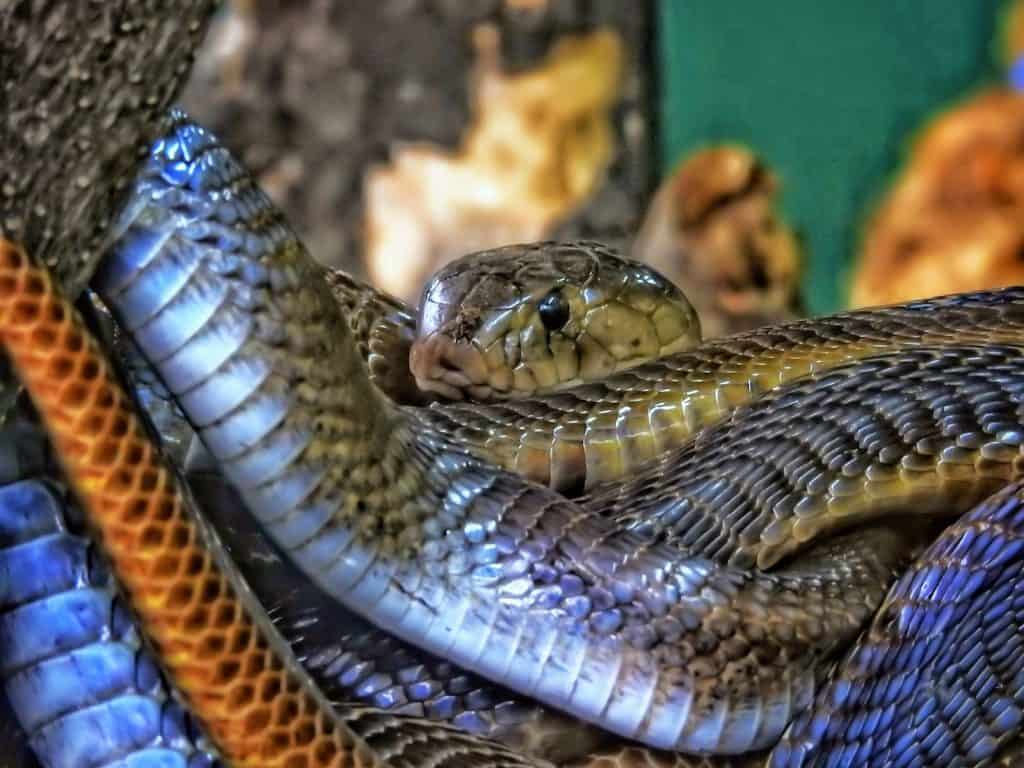
The location of the snake species and their mating habits will determine how they reproduce. Snakes that live in colder areas usually mate in the late spring or early part of the summer. This is often after they have gone through brumation. Snakes that live in warmer areas can mate at any time of the year.
No matter when the snakes mate or what season it is, almost all snake behavior changes occur during mating season. The most important thing is that males can be very competitive and aggressive towards each other. Males will often fight for a female’s attention, especially when they are around. It is ultimately up to the female to decide which male to mate with.
Even in captivity, it is impossible to stop males from fighting during mating season. If you wish to breed snakes, you shouldn’t keep males in the same room.
After mating
The male snakes will usually leave the female after mating. Some males will try to stay put, and in this case, the females can become aggressive. Breeders often separate males from females after mating.
If the mating occurred, the females will search for an area or burrow in which to lay the eggs. She will try to find a place that is both warm and a little damp. Most females will abandon the burrow once the eggs have been laid. However, some female snakes may linger to protect their eggs against predators.
Hatching
Once the snakes have emerged from their eggs, they will begin to use their teeth to get out. The young hatchlings will start to fight for their lives and their mothers won’t be able to protect them. Next mating season, the process will begin all over again.
What is the best way for snakes to give birth?

Most snakes are considered to be oviparous. This means they lay eggs for reproduction. Almost 70% of snakes are considered oviparous. Corn Snakes, King Snakes, Ball pythons, Milk snakes, and Boa constrictors are some examples of snakes that can lay eggs.
Technically, certain reptiles may be viviparous. This means that they don’t lay eggs. A few snakes are in this category. They must care for their young with the yolk sac and placenta just like mammals do. Although it is rare for snakes to give birth this way, it is possible.
Some snakes can also give birth in another way. This third type of birthing involves eggs hatching and developing inside the snake. This is the ovoviviparous form. This form is different from oviparous snakes because the eggs do not leave the snake’s body. Only the hatchlings do.
What is the Average Number of Snake Eggs a Snake Lays at a Time
The species determines how many eggs a snake can lay at once. One large clutch can contain up to 100 eggs. Other snakes might lay smaller clutches with 25 or fewer eggs. Here’s a look at the number of eggs that some of the most well-known snakes lay.
- Ball Pythons 3-11
- Corn Snakes 12-24
- 3 – 15 Milk Snakes
- Black Rat Snakes 12-20
- Smooth Green Snake: 5 times per season (10 total).
- California Kingsnake: 3 – 12

It is impossible to predict the number of eggs that will survive hatching. Sometimes, none of the eggs will survive. If the nest is attacked by a predator or the mother doesn’t provide warm enough conditions for the eggs, this can happen.
Most snake eggs are able to survive in captivity because there are no predators and the breeder is more attentive. If the snake is not able to break through the shell, some eggs might not hatch. Some captive hatchlings can also die shortly after leaving an egg.
One study found that 38% of wild eggs were killed after being moved from their original location. Only 5% of eggs left alone, however, died. Only 5% of hatchlings die in laboratory conditions.
FAQs
Is it possible to breed snakes?
Snakes are difficult to breed. Some breeds are more difficult than others. Corn Snakes, for example, are very difficult to breed. Boa Constrictors, however, is a lot easier. To successfully breed snakes multiple times, it is often necessary to be an expert.
Care for snake eggs:
Care for snake eggs starts with setting the right temperature. This should be between 80-85 degrees Fahrenheit. This temperature can be monitored with an incubator. However, you can also bury the eggs partially under mud or mulch. Mud and mulch are more challenging as egg rot can occur from dampness.
Last Thoughts
Basically, all snakes have eggs. However, not all of them do. The number of eggs laid depends on the species of snake, but most snakes that are kept as pets lay between 3 to 20 eggs. It is impossible to predict which hatchlings will survive and which won’t. However, hatchling survival rates in captivity are impressive, provided that the snakes are able to mat.
How do snake eggs appear?
Snake eggs are pale in color and have a fragile, leathery shell to the touch. These oblong, Tic Tac-shaped eggs are extremely fragile and sensitive to predators and the weather. This is why they are usually found underground or covered in damp, protective leaf litter.
Where do snake eggs hatch?
Many snake species burrow their eggs in the soil, compost, or loose, damp earth. Some snakes deposit their eggs in decaying trees, shrubs, compost or manure, and other warm and damp areas. Mother snakes burrow their eggs, allowing nature to act as an incubator.
What is the best way to tell whether you have a snake nest?
Examine the regions where you’ve spotted snakes and check for holes in the ground that might be the location of a nest. You should not attempt to treat these areas on your own, but you may make a note of them for when a pest control company arrives. Keep in mind that snakes enjoy wet, chilly, and dark environments.
Do snakes ever lay eggs?
Most snake species lay eggs, however, others give birth to live offspring. Fertilized eggs produce yolk sacs and shell material in the snake’s oviduct. Females deposit leathery eggs in safe places, and many species abandon the eggs while others nurture them.
Do snakes put their eggs in houses?
It is not uncommon for a snake to enter a chilly basement, particularly one with a dirt floor, and lay eggs or have pups. This may be a painful event for the homeowner, and it is absolutely warranted to call an expert individual who can assist with the situation.
What should you do if you come across snake eggs?
The eggs are most likely from a harmless species of snake in North America. If you are worried, contact your local animal trapper or pest treatment facility. They might be able to assist you in identifying coral snake eggs. If you want to hatch some eggs that you found, the best thing to do is let them alone.
Snake eggs are what color?
Snake eggs are typically rectangular in form and white, beige, or off-white in color. Their dimensions can range from 1 to 5 in (2.5-12.7 cm). The size of the egg increases as the embryo grows. Snakes do not put their eggs in random places.
What does a snake’s nest look like?
A snake’s nest is a tangle of plants. It frequently resembles a heap of leaves that has been ground down by the snake and may even include eggs. A den is a more fitting phrase for a snake nest. However, this is still debatable because snakes do not congregate.
Is vinegar effective in keeping snakes at bay?
Vinegar works well to keep snakes away from bodies of water, particularly swimming pools. For a natural snake deterrent, pour white vinegar around the perimeter of any body of water.
Are snake eggs toxic?
Snake eggs are not toxic in any way. If you consume one that hasn’t been cooked, you may have stomach discomfort, but no more than if you eat an uncooked chicken egg. Even venomous snake eggs are not harmful.