
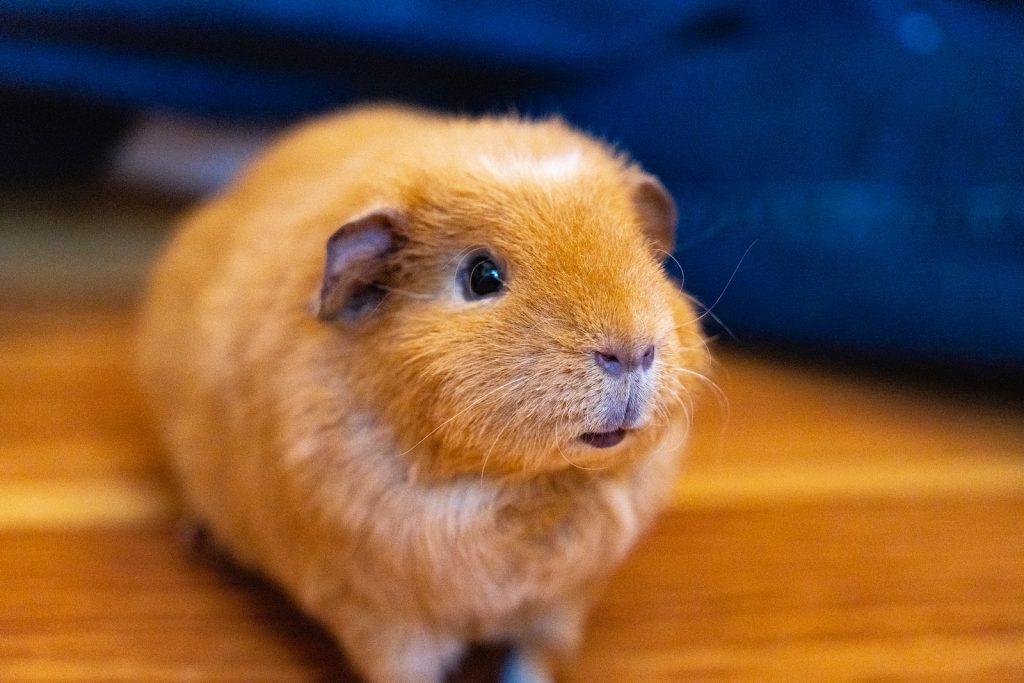
| Length: | 5-7 inches |
| Weight: | 4-7 ounces |
| Lifespan: | 3-4 Years |
| Colors: | Beige, gold brown, black, sable, and cream. |
| Temperament: | It is easy to handle, friendly, playful, and curious. |
| The Best for: | Pet owners who are new to the hobby |
Syrian hamsters, also called teddy bears or fancy Hamsters, are wonderful pets for new owners. They are one of the most loved small pets in Western countries. Syrian hamsters are one of the easiest pets to manage. They will be docile and socialized with their owners by being handled daily. This breed of hamster is known for its quirky personality and unique idiosyncrasies.
Syrian Hamsters – Before You Buy…
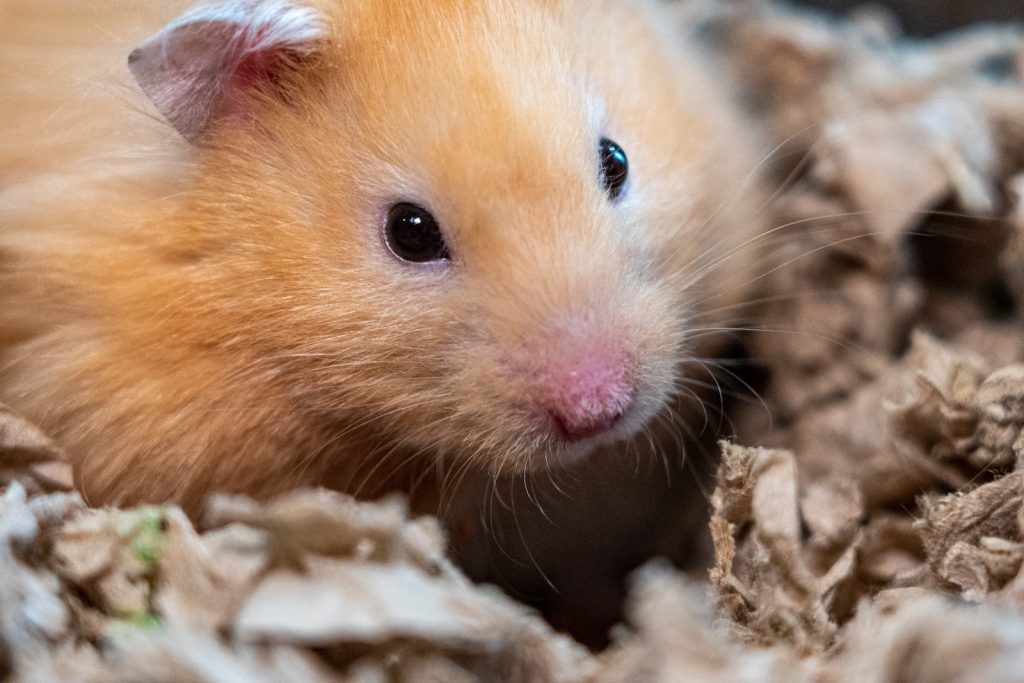
A hamster, especially a Syrian hamster, is a great choice if you want a pet with lots of energy and vitality. Because they are larger and more durable than their dwarf cousins, it is possible for younger children to take care of a pet. They are still fragile and will require constant supervision.
Syrian hamsters are among the friendliest hamsters. They love being held after they have been trained. Although they can be difficult to control, they will not bite.
Many new owners make the big mistake of not getting a large enough enclosure for their hamsters. Hamsters love to play and run! Many of the cages for hamsters that you will see on sale are too small and impractical. The more accessories you have, the smaller the space your Syrian hamster can maneuver.
You can make your cage larger and personalize it with toys or exercise equipment. Don’t forget to buy a large hamster ball. You can make their day brighter by letting them run around the house. It will also give you an opportunity to interact with them.
What is the price of Syrian Hamsters’ eggs?
Prices for Syrian hamsters will vary between $5-20. It all depends on the color variation, hair length, as well as other factors. Proper housing, toys, food, and other costs will be the biggest expense of owning a pet hamster.
Three Little-Known Facts about Syrian Hamsters
1. A Single Mother Can Produce All Syrian Hamsters
A Jewish scientist, Israel Aharoni, captured a female and 12 of her puppies outside of Aleppo in Syria, in 1930. After a difficult start, they started to breed after being held captive for a while. All domestic Syrian hamsters can now be traced back at the original captured female.
2. Syrian Hamsters come in long-haired varieties
Some Syrian hamsters may have short hair. Some hamsters can grow silky, long hairs. Due to increased testosterone production, this is more common in male hamsters. These coats can even be completed with light-colored skirts that cover their backsides.
3. Syrian Hamsters Have Many Names
Although Syrian hamsters are named for their origin, they have been given many other names. Some of their more popular names include fancy hamsters and teddy bear-hamsters. Black-bear hamsters are also available for all-black Syrian hamsters.
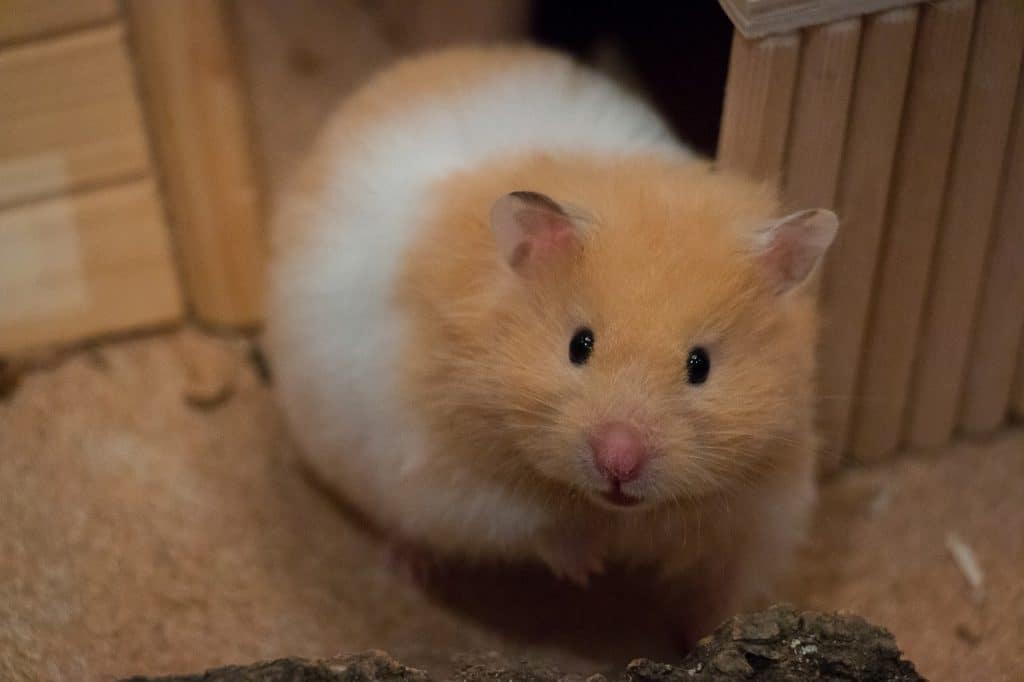
Temperament and Intelligence of the Syrian Hamster
Syrian hamsters have many traits in common with other breeds of hamsters. They are nocturnal and prefer to sleep most of the day. They become active at night so be aware of where they will store their housing.
They are also quite intelligent. They love to play in tunnel mazes and other tunnel toys. They will often choose the closest location to their bathroom when they need to go, so you won’t have as many cage cleanouts.
Are these Hamsters Good for Families
Syrian hamsters make great pets, especially for families with small children. Because they require very little maintenance, they can be a great way to teach younger children the responsibilities that come with owning a pet. Hamsters are able to teach children core virtues like patience and gentleness.
Is this breed compatible with other pets?
No. The Syrian hamster is a natural prey animal and can be quite skittish around larger animals, such as dogs, cats, or unfamiliar people.
They don’t get along well with other hamsters. Syrian hamsters are very territorial and solitary. They prefer to be alone, away from other hamsters. You must separate hamsters from other hamsters if you plan to breed them. Hamsters can fight to the death if left together.

Things to Consider When Owning a Syrian Hamster
There are some things you need to know in order to become a responsible owner of your new Syrian hamster.
Food & Diet Requirements
Syrian hamsters can be omnivores, so they need a special diet. As a treat, you can give them nuts, seeds, and grains. Syrian hamsters can also enjoy vegetables and fruit supplements such as apples, carrots, and broccoli. Remember that they are omnivores, meaning they also eat meat protein. You can add a cricket or hard-boiled egg to help them get on their feet.
Remember that although they are larger than dwarf hamster varieties of Syrian hamsters, they are still very small animals. They shouldn’t be given too much food. Your teddy bear hamster only needs one teaspoon of food per day to be happy and healthy. Overfeeding can cause obesity and other health problems.
Exercise
Hamsters require plenty of exercise while they are awake. Maximizing their space is the best way to achieve this. You can get a large habitat or cage for your hamsters to live in, but only a few toys. An exercise wheel is a must-have toy for every Syrian hamster. These hamsters can run as much as nine miles per day!
Training
Although training your Syrian hamster can be difficult, it is possible to teach them some basic tricks. Your hamster will recognize its name if you are able to interact with it regularly. They can also learn to litter train and develop their own routines.
Grooming
A hamster is easy to care for. Hamsters are easy to groom because they do not require much maintenance and can self-groom. Over-grooming can cause your pet’s natural oils to become less healthy, which can lead to a loss of their beautiful coats. If you have a long-haired Syrian hamster, it will need some help every now and again. You can use a small brush or a fine-toothed combing tool to do this.
Hypsodont teeth are also found in hamsters. Their teeth grow in an endless cycle. To keep their teeth trimmed, you’ll need to provide them with lots of wood or chew sticks. You can take them to the vet if they get too long.
Conditions and Health
Syrian hamsters are a more robust breed than other hamster breeds. There are some conditions you need to be aware of.
First, tumors can develop in older hamsters. These tumors can be malignant or benign. You should contact your veterinarian if you find any lumps in your hamster’s skin.
Wet tail is also a condition that can affect hamsters. It is a bacterial infection that affects hamsters’ GI tract. It can lead to severe diarrhea and watery droppings. This condition can prove fatal. It can be fatal and vets are able to aggressively treat it using antibiotics.
The issue of ear or fur mites is less serious and is extremely easy to treat. Mites can be avoided by changing your bedding regularly or using sterile bedding. Treatment is usually done with a shampoo, powder, or topical ointment.
Male vs. Female
There are many differences between male and female Syrian Hamsters. Syrian hamsters are more laid back and easy-going than their female counterparts. Females can be spunky and bring out the unique personalities of this breed. Females tend to be larger than their male counterparts. They are also smoky. They go into heat every few hours.
Last Thoughts
Syrian hamsters make a great pet to start with — both for children and adults. They are very friendly and easy to get along with due to their gentle nature. Two of the biggest issues you will encounter with Syrian hamsters are their nocturnal behavior and extreme territorialism. This breed is not suitable for those who want to have multiple hamsters.
Remember, as, with all hamster breeds, it is important to take your time with them. By nature, hamsters are prey animals. They can be startled by sudden changes in the atmosphere, quick movements, loud noises, and other abrupt changes.
This shouldn’t stop you from getting a Syrian hamster. The teddy bears are great pets and will be a wonderful addition to your family.
Is a Syrian hamster a suitable pet?
Syrian hamsters are wonderful pets. They may be quite energetic and have strong personalities. They will be your pals for life if they are properly nurtured and managed. However, handling hamsters while they are young might be difficult since they are still adapting to the great wide world.
How frequently should I keep my hamster?
Interact with your hamster(s) every day and handle them as much as possible, but keep in mind their napping schedule. Handling hamsters when they are resting or sleeping should be avoided unless absolutely essential since this might be upsetting for them.
How often should I replace the bedding on my hamsters?
Every week. When it comes to cleaning your hamster’s living area, one of the most crucial duties is changing the bedding in his or her cage. The bedding should be changed at least once a week since it can become dirty with your hamster’s waste, as well as its food and drink.
Should hamsters eat all the time?
Food of high quality and clean water must be readily available at all times. Hamsters consume 12 grams of food every day, usually at night. Keep an eye on your hamster’s food consumption; hamsters frequently hoard food in a corner.
How long should hamsters be allowed to be out of their cages every day?
If pet rodents like guinea pigs, hamsters, and gerbils are introduced outside, 10-15 minutes per day is sufficient. Because these creatures flourish in indoor settings, they should not be subjected to extreme temperatures “either too hot or too cold” “if they are transported outside.
Do Syrian hamsters like to be alone?
You may get a variety of healthful food and treats for hamsters right here. Syrian hamsters, once again, prefer to be alone at home. Don’t feel terrible if they don’t have a hamster companion. They are completely satisfied with you as their buddy.
How frequently should you clean your hamster cage?
Every week Once a week is ideal, and at the very least once every two weeks. However, you might wish to do a clean-out more regularly than that.
Is it better to have one or two hamsters?
Hamsters should not be purchased in pairs. They are lonely, territorial creatures who value their own area, resources, and time alone. The demand for seclusion is inherent in hamsters.
Is a sand bath necessary for hamsters?
Sand baths many times each week will help hamsters and degus. Unlike chinchillas, their use is optional, but they make great treats and help keep their coats bright and healthy. Top Tip: It’s recommended not to have the sand bath in their cage all the time, as this might cause their skin to dry up.
Are Syrian hamsters friendly?
The Syrian is said to be the friendliest. Because they are the largest breed, they do not need to be as afraid of people peering over them as other, smaller breeds.