
| Size: | Standard |
| Weight: | 5-10 pounds |
| Lifespan: | 1-1-4 Years |
| Type of body: | Full arch |
| Temperament: | Wild, quick-witted, suspicious |
| The Best Suited for | Observing wild animals |
| Similar Breeds | Black-Tailed Jackrabbits, Antelope Jackrabbits, Belgian Hare |
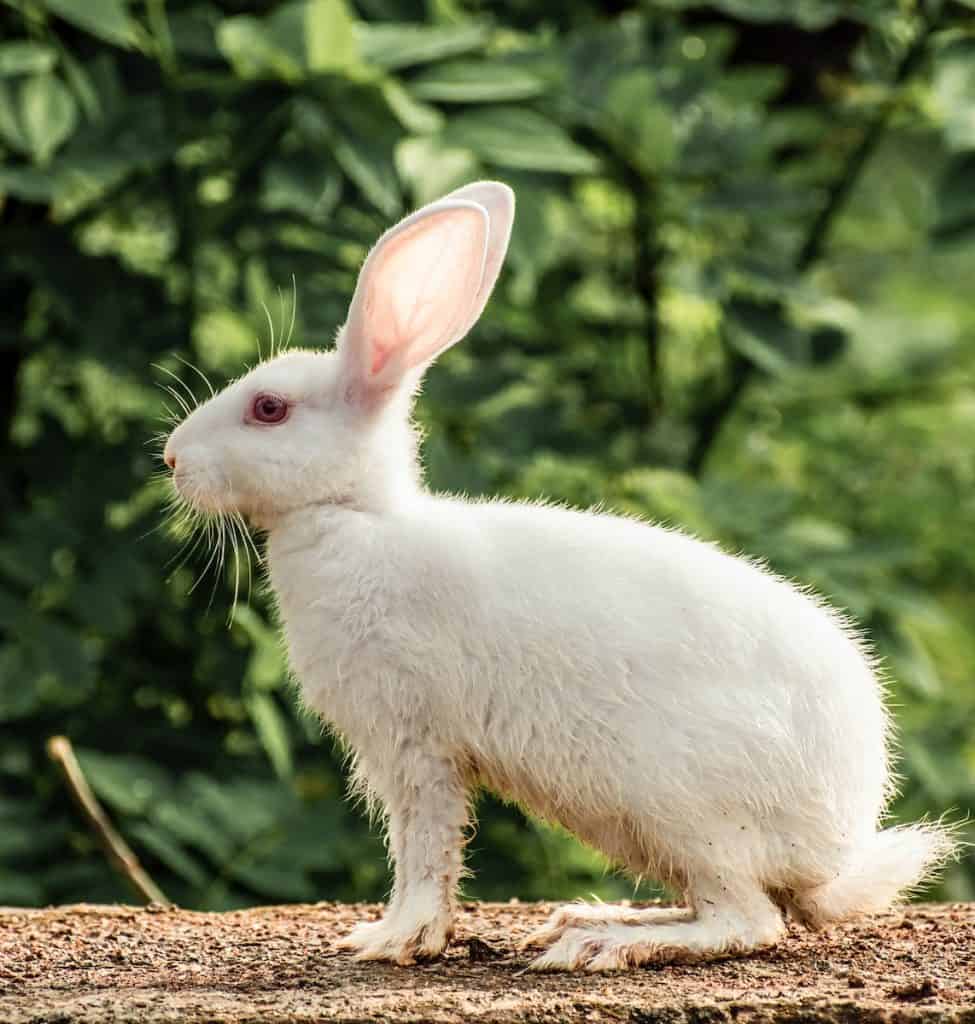
The White-Tailed Jackrabbit rounds out our list of “rabbits that don’t actually rabbit”. It is also in good company alongside its Antelope and Black-Tailed brothers. It is also known as the “white Jack” or “prairie Hare” and it lives in a much larger area than its desert-dwelling cousins.
These beefy hares are well-known for their sometimes-exceptional sizes and had once been an important source of meat and fur for early settlers to the United States and Canada. You’re sure to find out more about these North American natives. Today, we will be discussing their history, origins, and how they live and reproduce in the wild.
The White-Tailed Jackrabbit Breed: History and Origin
The White-Tailed Jackrabbit, like the other North American Hares, is believed to be a descendant of a distant ancestor who lived well before human settlers. These prehistoric, massive jackrabbits would have opened the door to smaller, faster hares, which can now be found all over the Americas.
Their ears resembled the ears of a donkey or “jackass”, early settlers combined their names to create the common name “Jackrabbit”, which is how we refer to them today. The White-Tailed Jackrabbit developed a better adaptation to colder climates than their desert-preferring ancestors, which led to their eventual spread to a wider area and further North.
General Description
The White-Tailed Jackrabbit does not have the large ears that many American Jackrabbits have and instead has a thicker, lighter-colored coat. This fur becomes thicker and denser in winter. It is a great way to hide from predators in snowy wilds.
White-Tailed Jackrabbits are more interested in cold than heat so it is not unusual to see them weighing more than the recommended weight for their breed. They can even weigh as much as 20 pounds in areas where predators are scarce and food is plentiful.
Habitats and Habits
This breed of the hare is known for its preference for colder climates. It can be found in the Pacific Northwest, central Canada, and the Northern and Midwestern Plains of the US. They prefer higher elevations and will often retreat to the cooler reaches of their habitats to avoid competition with other rabbits.
These Jackrabbits are dedicated nocturnal animals and prefer to nest in the shallow holes they dig. They are a solitary species that will travel far and wide in search of grasses, plants, and cultivated crops. Their diet tends to be more twigs- and lower-lying tree barks as winter approaches.
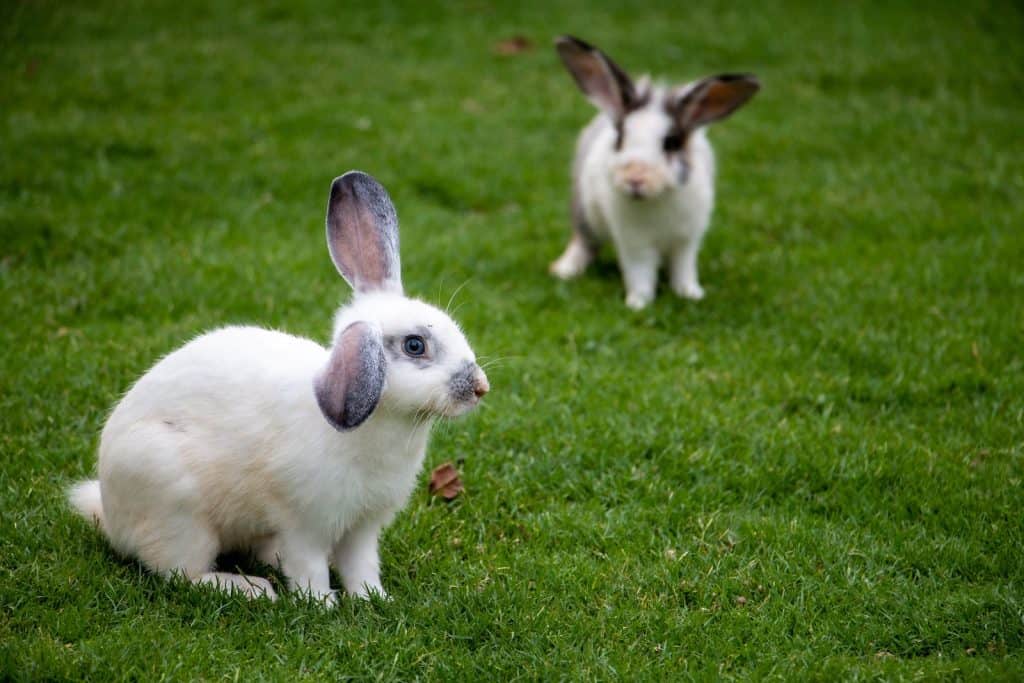
The difference between young and old
The White-Tailed Jackrabbit’s breeding season is much shorter than hares from warmer regions. They will often only spend 5 months breeding, rather than the full year of Black-Tailed Jackrabbit. These male rabbits are in fierce competition and will fight for females.
Because they are hares and not rabbits, newborns of this breed have their eyes open and are functional. They’ll be able to forage on their own within days… and ready to leave the nest in a week.
Last Thoughts on the White-Tailed Jackrabbit Breed
These beautiful animals are the largest and most well-adapted to cold weather among all American Jackrabbits. They are stunning to see in the wild. We hope that you enjoyed today’s reading and have learned a lot about wild animals in your area.
Where can you find a white-tailed jackrabbit?
White-tailed jackrabbits are commonly found in open meadows, woodlands, pastures, and fields. White-tailed jackrabbits are obligate herbivores. They want a variety of grasses, forbs, and shrubs.
Are there really Jackalopes?
Jackalopes are not a separate species of rabbit, but rather cottontails and jackrabbits infected with a rare virus.
Is Cabbit a genuine person?
Cabbies are fictitious hybrids of cats and rabbits. They’ve been featured in fiction and fantasy novels, including Japanese anime and manga, and they’ve been rumored to have been spotted in the wild. The majority, if not all, of the observations are due to misidentified Manx cats or fraught.
Is the jackalope still alive?
It is a hybrid between a now-extinct pygmy deer and a killer rabbit species, making it one of the world’s rarest mammals. However, sightings of this unique critter are still common, with tiny pockets of jackalope populations remaining throughout the American West.
Is it possible to keep a jackalope as a pet?
While they are uncommon, Jackalopes make excellent family pets. They can be housebroken, taught to fold clothes, and even taught to run the dishwasher!
Can you eat jackrabbits?
When cooked incorrectly, jackrabbit has the flavor and consistency of shoe leather. That being said, jackrabbit is wonderful if done correctly. The important thing to remember is that, even though it is red meat, it cannot be treated like a steak. You must cook it slowly and for a long time.
Why don’t humans eat jackrabbits?
There’s a reason why jackrabbits aren’t popular in our country: Many people associate them with poverty food, the meat of the Great Depression, or the much harsher privations of the pioneer farmers who eked out a life on the Great Plains’ sod.
Are worms present in jackrabbits?
Rabbits and other tiny animals do host a range of parasites. Some are more frequent in the summer, although many, such as intestinal worms and flukes, are present all year. Intestinal parasites, on the other hand, offer little harm to humans unless a hunter consumes raw rabbit guts.
How do you prepare jackrabbits?
Bring to a low simmer, cover, and cook for 2 to 5 hours, depending on the age of your jackrabbits. When the meat has fallen off the bone, remove it from the saucepan and shred it in a large mixing bowl. Remove the bones. Mix in the fat and a ladle of the cooking liquid with the meat. What is the world’s largest jackrabbit? Townsend’s Lepus The white-tailed jackrabbit, often known as jack