
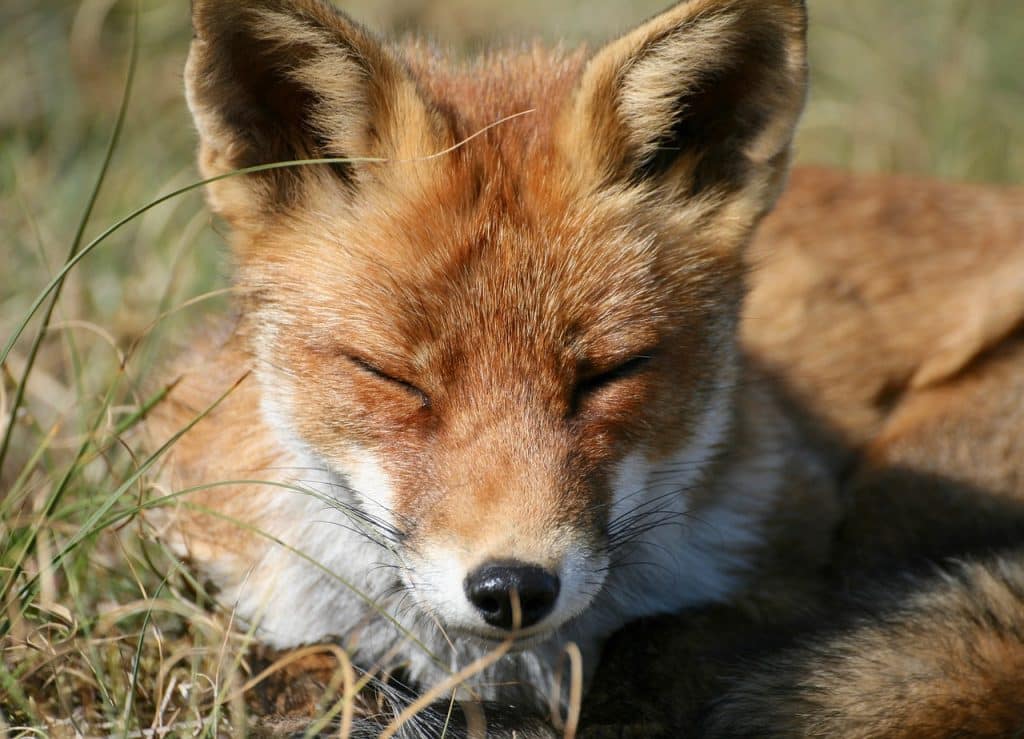
Many ancient cultures have a deep history of foxes. Native American tribes believed that the foxes were creator gods, benevolent and wise. Others associate foxes with the sun and fire. Many people believe that foxes can be cute and have a natural affinity with them. How much do you really know about the appearance of the fox?
Foxes are canids
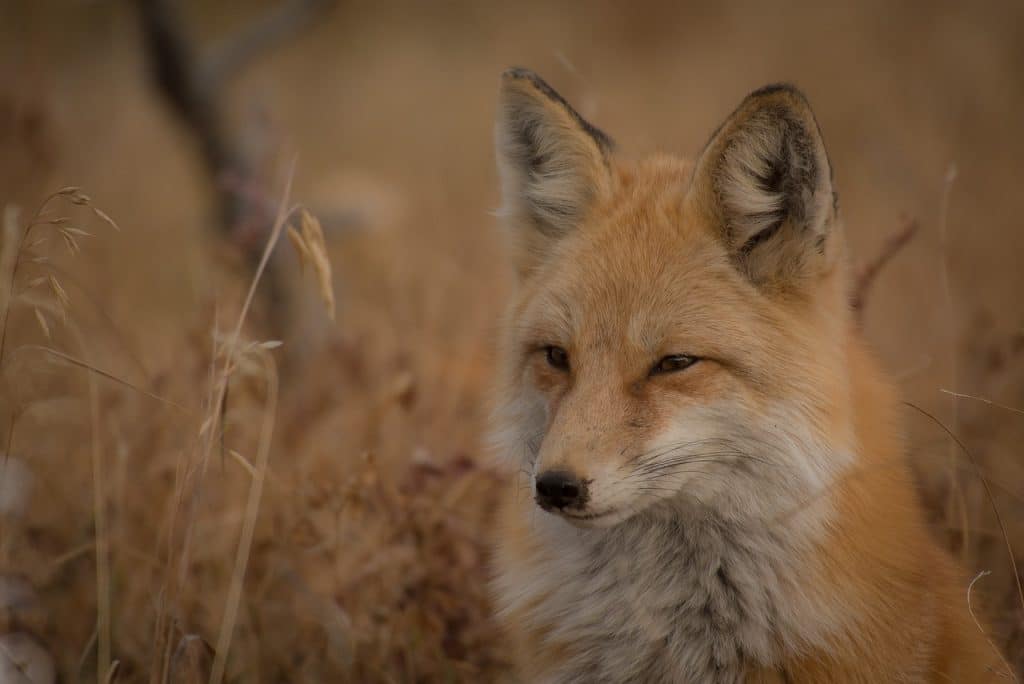
People often associate foxes and dogs. Although they are not closely related, foxes, as well as dogs, belong to the same Canidae tribe. Coyotes and wolves also belong to the same Canidae family.
Canids can be opportunistic carnivores. Canids survive mostly on meat and animal food sources, but they are also able to adapt to whatever is available. The Canidae family has been able to thrive in almost every part of the world. The red fox is one of the most common carnivores and a good example of how adaptable and resilient they are.

You might think a fox is a bit like a dog. Although they are shorter and more muscular than dogs, their build is similar to that of a fox. They lack the muscularity of many dogs. Foxes also have pointed noses and narrow, long faces. Their ears are very pointed and stick straight up from their heads.
There are 37 species of foxes and 12 “true” types. Although they share many common features, their fur colors can vary greatly.
Red foxes are the most widespread and widely reaching of all foxes. Red fur is the natural color of a red fox. Other fox species have different fur colors, so you can guess their names. The Arctic Fox, a common fox that has a different fur color than the gray fox, is also white to better blend in with its snowy environment.
Black foxes are also common in North America. Because their silver-tipped hairs are on the rump of their fur, they’re called silver foxes. This makes them stand out from their black fur.
Size and stature
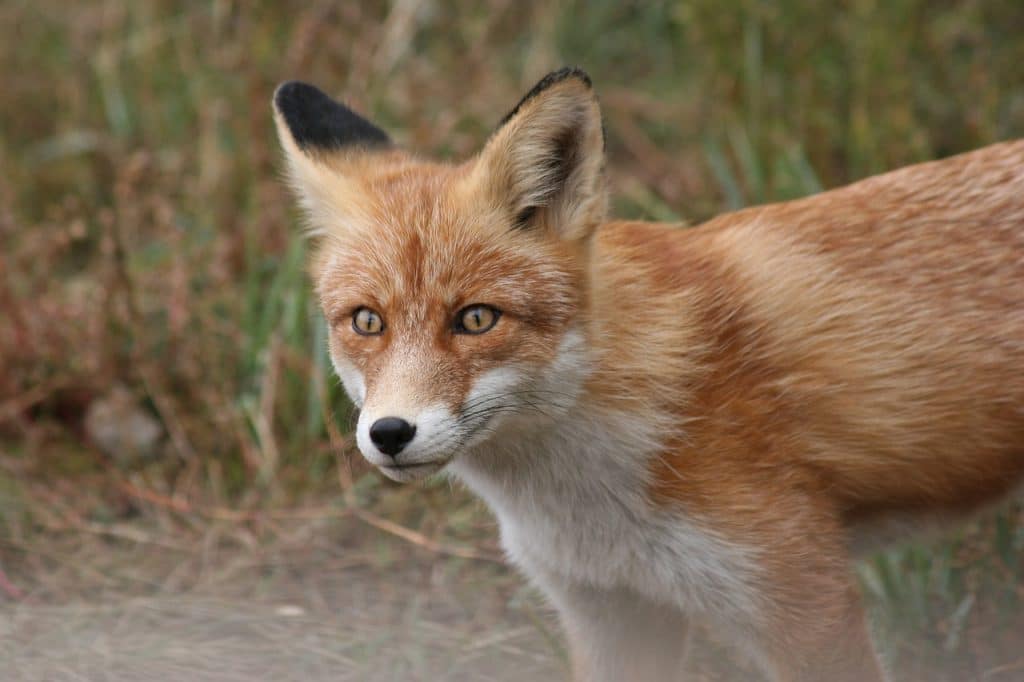
Although the stature and size of foxes vary from one species to another, they are generally small. The average weight for a specimen of the red fox species is 15 pounds, while the maximum weight is 35 pounds. The females are generally lighter. The same goes for other species.
Foxes have a body similar to a large cat. The average length of foxes is 1.5-3 feet if you take the head and body apart without the tail. Their tales make up nearly a third of their length. This means that some of the longest foxes can reach nearly five feet from the tip of their tail to their nose.
Most foxes measure 15 inches at the shoulders. Red foxes can grow up to 20 inches tall. Arctic foxes reach a maximum height of 12 inches. Fennec foxes can reach only eight inches high and are smaller than Arctic foxes.
Lifespan
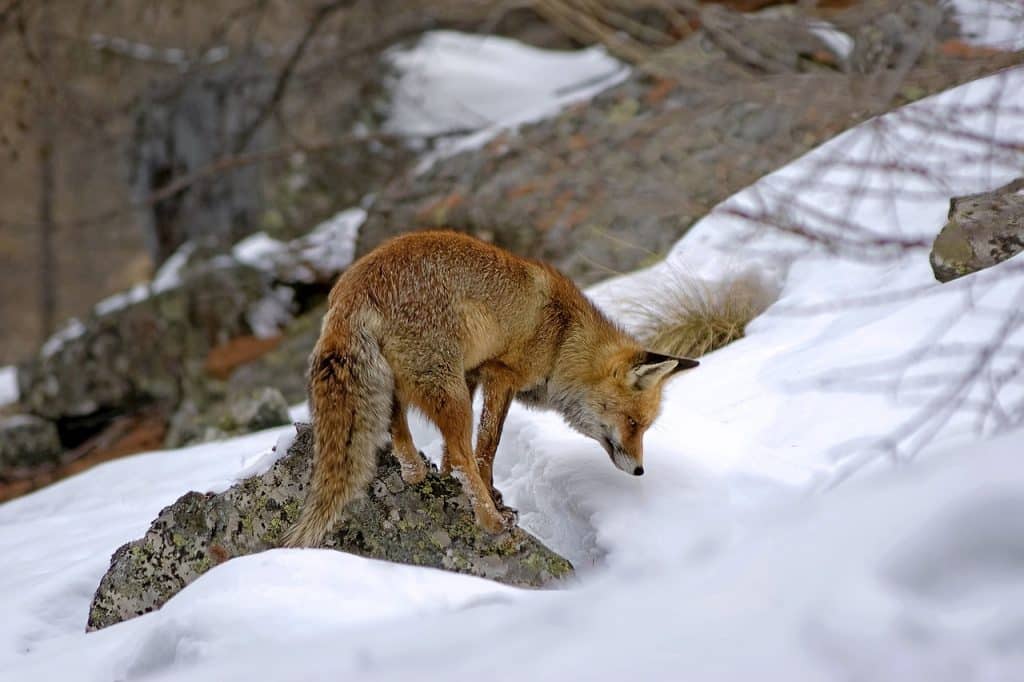
Wild foxes live a difficult life. Many will die before they reach one year of age. Only half of them will live to full maturity. A smaller number will reach full maturity at five years old. Foxes generally live less than six years wild.
A domesticated fox’s life is very different. Foxes can live up to 14-15 years in captivity since they have plenty of food and no enemies.
Conclusion
Although each species has its own characteristics, all foxes have similar features. All foxes will have the same distinctive face with an extended snout, ears, and a rounded nose. The fur can vary in size and species. They are small- to medium-sized canids, weighing less than 20 pounds.
Will a fox harm a person?
Do foxes attack people? Foxes are not hazardous and do not attack humans unless they are rabid, which is extremely unusual, or are trapped and handled. Even yet, the natural propensity of a fox is to escape rather than fight.
What should you do if you encounter a fox?
Make some noise if you come across a fox or coyote that does not instantly flee. Make your presence known by yelling, clapping your hands, waving your arms, and stomping your feet, but do not approach or chase the animal. When traveling in known coyote or fox territory, you can also carry a whistle or other noisemaker.
What draws foxes into your yard?
They are likely to devour dog or cat food, killed wildlife, chickens or other poultry if you have them, or do anything in your waste bins. Also, if your garden features bird feeders, a pond, or a fountain where birds congregate often, foxes will be drawn to the birds and the water.
How does fox poop look?
Foxes. Foxes excrete dog-like droppings that are sharp on one end and contain hair, feathers, small bones, seeds, and berries. Fox poo is generally dark in rural locations, although it can be lighter in urban areas when foxes eat human food waste. Fresh droppings have a unique musky or “foxy” odor.
Are foxes frightened of dogs?
Do Foxes Prey on Dogs or Cats? Fox assaults on dogs are uncommon since these animals avoid combat. If they are trapped, they will defend themselves against a dog. Although adult cats are normally secure, a fox may seek and prey on kittens.
What does a fox fear?
Foxes are naturally afraid of us and will flee as soon as they notice our presence. This is because foxes are usually significantly more afraid of us than we are of them. Foxes are opportunistic predators that eat a variety of insects, birds, and small mammals such as rodents in addition to fruit and berries.
What happens if you get bitten by a fox?
Fox bites are unpleasant and can become infected if not properly cleansed. Because pests are recognized carriers of various illnesses, including rabies, their bites pose the risk of disease transmission.
Do foxes deter rats?
They also enjoy peanuts, bananas, and cheese. Foxes may be fed all year, but they must adhere to a strict feeding schedule. This incentivizes them to return to your garden at a specific time to await their feed. Food is less likely to be left out, which discourages rats.
What do foxes despise?
Attack The Smell Sense of the Fox Foxes can be deterred by using natural compounds such as chili peppers, garlic, and capsaicin. Try cooking the chili pepper and garlic with some water, then blending it. Spray this combination in areas of your garden where you don’t want foxes to go.
How can I recognize a fox?
Look for the following features when identifying a red fox: Back and sides are rusty crimson (though the coloration is variable and young pups are tan-colored) Ears that are black. The lower legs are black as if it is wearing dark stockings. A long tail with a white tip, typically nearly as long as the body.