

In the wake of the global pandemic, the spotlight has shone brightly on an issue that many have silently battled for years: loneliness. As societies grappled with lockdowns and social distancing, the emotional toll became apparent, highlighting the need for companionship. Amidst this solitude, pets, including cats, emerged as unsung heroes, offering solace and companionship that many desperately needed. This blog delves into the profound impact cats (and pets in general) have on combating loneliness, supported by compelling research and statistics.
The Science of Loneliness
Loneliness, a pervasive issue affecting millions globally, saw a significant uptick during the COVID-19 pandemic. Studies revealed stark numbers, with 58% of Americans feeling disconnected and young adults reporting high levels of isolation. Not only does loneliness pose a threat to mental health, but it also has tangible effects on physical health, comparable to smoking 15 cigarettes a day.
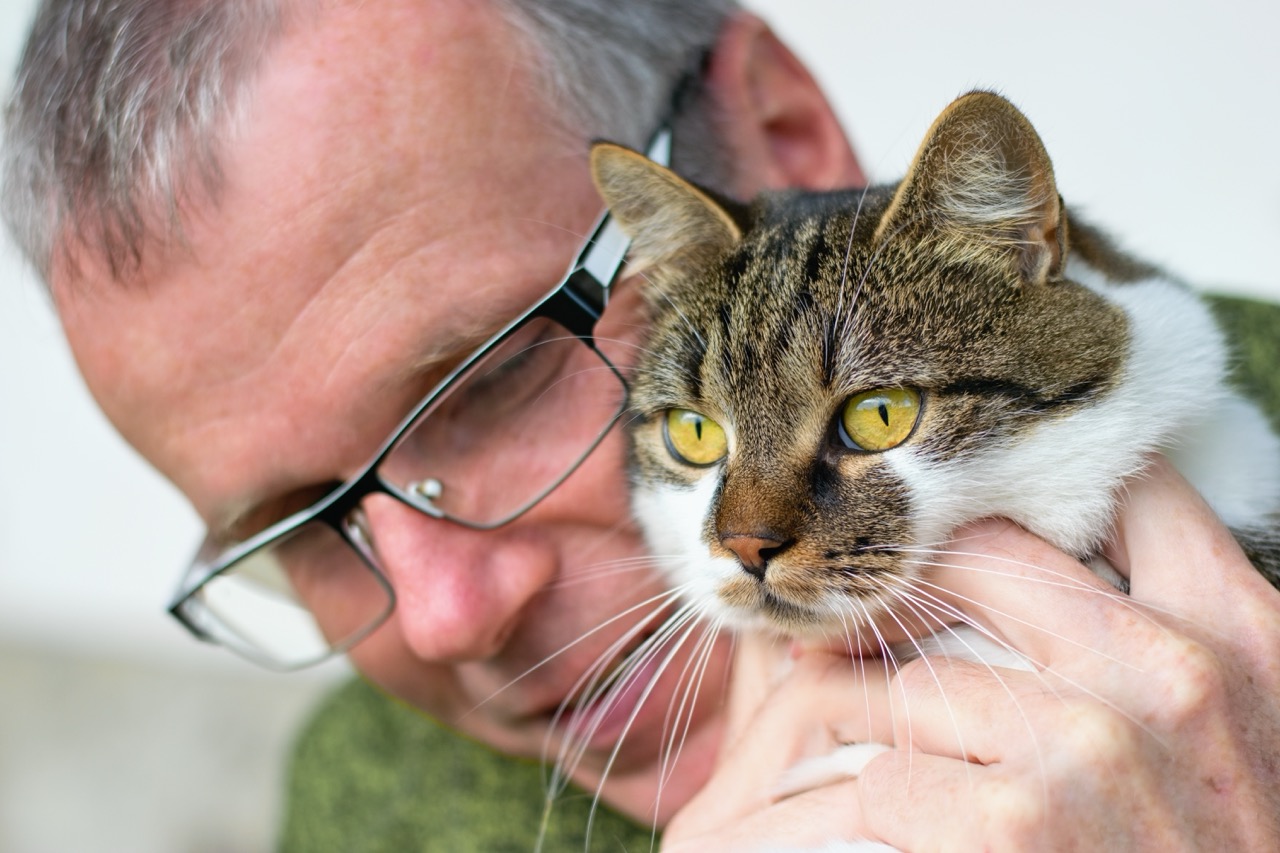
Pets to the Rescue
During these trying times, pets stood as beacons of hope, their mere presence offering a buffer against the biting cold of isolation. The Human Animal Bond Research Institute (HABRI) highlighted the global acknowledgment of pets as family, with a clear correlation between the human-animal bond and proactive pet care. This bond was not just felt anecdotally but was rooted in mutual health benefits, underscoring the role pets play in our lives.
A Study of Pandemic Proportions
A pivotal study by the University of the West of Scotland, supported by the Waltham Petcare Science Institute, shed light on pets’ roles during the pandemic. The qualitative findings painted a vivid picture of pets as sources of unwavering support. Approximately 85% of dog owners and 75% of cat owners attested to the positive impact their furry companions had on their well-being during lockdowns. These companions became not just pets but lifelines, offering emotional support that was otherwise hard to come by.
Beyond Companionship
Pets did more than just fill an emotional void; they provided structure, purpose, and a sense of normalcy. Dog walks and pet care routines offered a semblance of the pre-pandemic world, allowing for brief social interactions and physical activity, which were crucial for mental health during lockdowns. Moreover, pets facilitated a unique form of social support, bridging the gap created by social distancing.
The Verdict
The body of evidence supporting the benefits of pet ownership on alleviating loneliness and enhancing mental health is compelling. Pets, from dogs and cats to even fish, play a pivotal role in providing companionship, reducing stress, and fostering social interaction. The pandemic underscored their importance, showcasing the invaluable comfort and support they offer in times of isolation.
In conclusion, pets are far more than just animals we live with; they are essential companions that touch our lives profoundly. As we navigate the post-pandemic world, the lessons learned about the human-animal bond will undoubtedly continue to resonate, reminding us of the silent yet impactful role our furry friends play in combating loneliness and enhancing our lives.
For those struggling with loneliness or considering pet adoption, remember, a pet can bring not just joy into your life but also a comforting presence that might just bring some additional meaningfulness to your life. Additionally, pet parents who continue to struggle emotionally may consider registering their pet as an emotional support animal to ensure that their pet will be there for them no matter what the situation (think moving, travel, etc.)
Did you enjoy this article? Consider reading How Cats Improve Mental Health or How Pets Can Help You Cope With Loneliness During the Holidays, or a study about How Cats Have Attachment Styles Like Dogs and Babies.
What holds up here is the structural claim rather than the emotional one. A cat imposes a schedule whether or not you asked for one, and a schedule is what an empty week actually lacks. Affection is intermittent; something expecting breakfast at six is not. That would explain why this works for people who would never describe themselves as animal people.
The line that stuck with me was the bit about structure and purpose, more than the companionship part. Everyone talks about the cuddles, but honestly it’s the routine that carries you. When you feel flat and can’t be bothered to get up, there’s still a cat sat by an empty bowl looking at you like you’ve personally betrayed it. You get up. That small obligation does more good than people give it credit for.
One thing I’d gently push back on is that emotional support animal registration line at the end. In my experience the paperwork tends to promise more than it delivers, and it can lead folks to adopt for the wrong reasons. A cat won’t fix loneliness on its own — it’ll sit near you while you sort it out, which is a different and better thing.
The bit that rings truest to me is the part about structure and routine, not just the warm-fuzzy companionship. People always talk about how a cat “keeps you company,” but honestly it’s the fact that something needs feeding at six every morning whether you feel like getting up or not. That’s what pulls a lot of folks through a rough stretch. A cat doesn’t care that you’re sad, it wants breakfast, and somehow that turning up on schedule matters. I’d have pushed that point harder than the smoking-cigarettes statistic.
One thing I’d gently steer people away from is the throwaway line at the end about registering your cat as an emotional support animal so it can go everywhere. That’s a good way to get yourself and honest owners a bad name, and a stressed cat hauled through an airport is nobody’s idea of comfort. The company they give you at home is the whole point.
The bit that rang true for me was the point about structure and routine, not just the cuddles. Everyone talks about the companionship, but honestly it’s the getting up at half six because something is sitting on your chest wanting breakfast that does the quiet work. You can’t lie in stewing when there’s a cat headbutting you for its food. That daily string of small jobs kept a fair few of our customers upright through the worst of it, more than they’d admit. The 75% figure for cat owners doesn’t surprise me one bit. I’d only gently push back on the emotional support animal line at the end though — that’s a fair bit more paperwork and fuss than most people need, and a cat comforts you just as well whether it’s got a certificate or not.
The 75% of cat owners figure rings true to me, but I’d wager the other 25% were sitting there feeling plenty comforted and just didn’t notice it, the way you don’t notice the furnace running until it quits. A cat doesn’t announce that it’s keeping you company. It just parks itself on the paperwork you’re trying to read and stares at you until you remember there’s another heartbeat in the house.
The one bit I’d push back on gently is the line about registering a pet as an emotional support animal so it’ll “be there no matter the situation.” A cat’s already there. That’s the whole trick of them. The paperwork’s about landlords and airlines, not about the animal, and it’s worth being honest about which one you’re solving for.
The line that rang truest for me wasn’t the loneliness statistics — it was the bit about pets giving you structure and a reason to get up. Anyone who keeps a cat knows they don’t much care how you’re feeling at half six in the morning; the bowl still needs filling. There’s a strange comfort in being needed like that, even by something that would happily replace you with whoever opens the tin next. That’s not companionship in the greeting-card sense, but it’s the thing that actually gets you through a bad stretch.
I’d gently push back on the emotional-support-animal suggestion at the end, though. Registering a cat as an ESA so it can come travelling and moving with you feels like it’s serving the owner’s paperwork more than the cat. Most cats I know would far rather stay put with a familiar windowsill than be dragged about the country for our peace of mind.